About the Center for Medicine After the Holocaust
Our Mission
Although German violations of the most basic medical ethics are well documented, they are virtually unknown by today’s students in the health sciences. Also, the critical role played by American eugenicists in the development of Germany’s “racial hygiene” policies is rarely discussed.
We believe that we must learn from the past so we don't make the same mistakes today.
That's why we've made it our mission to challenge healthcare providers of today and tomorrow to personally confront the medical ethics of the Holocaust and to apply that knowledge to contemporary practice and research.

Without Considering the Past, the Future will Repeat Itself
Our Team
Rabbi Avraham Steinberg, MD
Associate Clinical Professor of Medical Ethics; Israel Prize Laureate, 1999, for the Encyclopedia of Jewish Medical Ethics; Head of the Editorial Board of the Talmudic Encyclopedia
Hebrew University–Hadassah Medical School
His Eminence Daniel Cardinal DiNardo
Archbishop Emeritus
Archdiocese of Galveston-Houston
Joseph J. Fins, MD, MACP
The E. William Davis, Jr., MD, Professor of Medical Ethics and Chief of Medical Ethics
Weill Cornell Medicine
Fred S. Zeidman
Chairman Emeritus United States Holocaust Memorial Museum Council
Chairman and CEO Good Works Acquisition Corp
David Leebron, JD
President Emeritus
Rice University
Peter Hotez, MD, PhD
Dean for the National School of Tropical Medicine
Professor, Baylor College of Medicine
Linda L. Burger
Former CEO Holocaust Museum Houston
Former CEO Jewish Family Services
Without the enthusiastic support of German medicine, the Holocaust might not have happened.
Reflecting on History
The term "Eugenics" coined by English naturalist Sir Francis Galton
Indiana passes the first involuntary sterilization law in the world
United States Supreme Court legalizes coercive sterilization
Hitler becomes chancellor and Germany legalizes coercive sterilization
Child euthanasia programs begins killing disabled German children
First use of a gas chamber to "euthanize" disabled German adults
German adult euthanasia T-4 program ends after 70,000 gassed to death in six "euthanasia centers"
Mengele, nicknamed "Angel of Death" becomes "Chief Camp Physician" of Auschwitz II
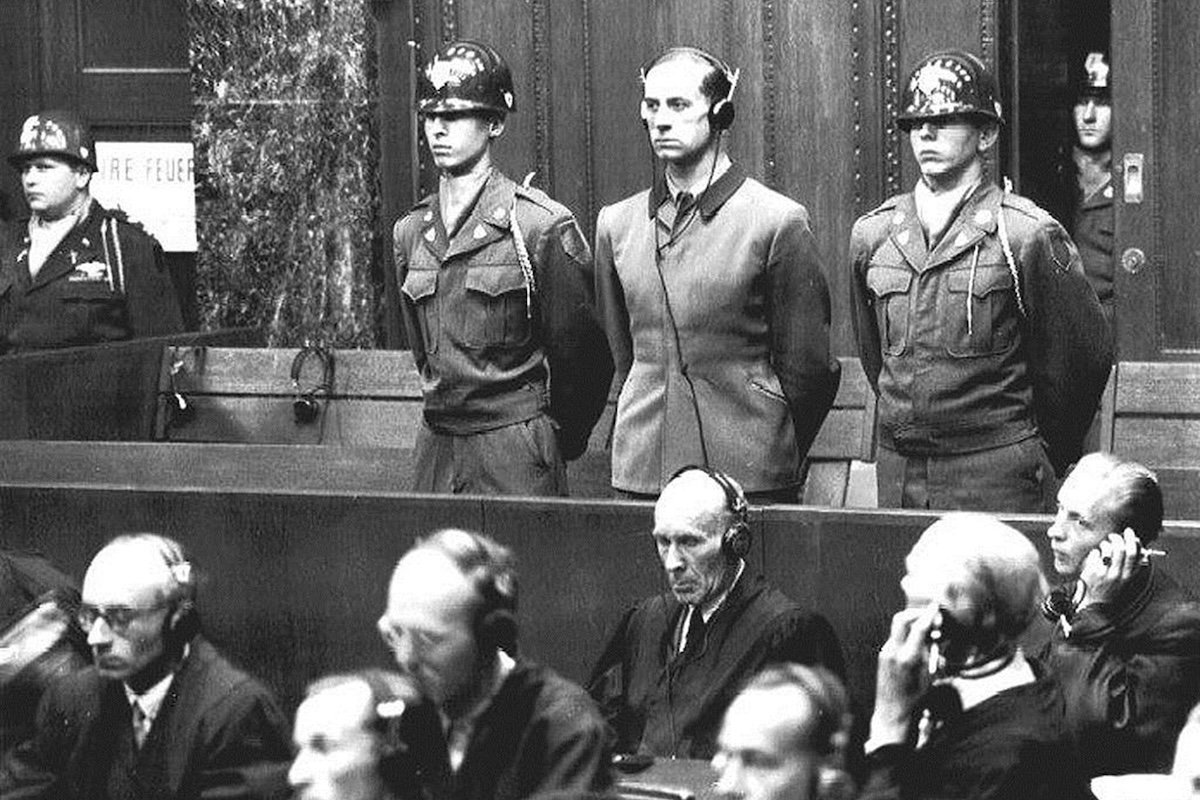
Nuremberg Medical (or Doctors') Trial ends
Blatant Violations of the Hippocratic Oath
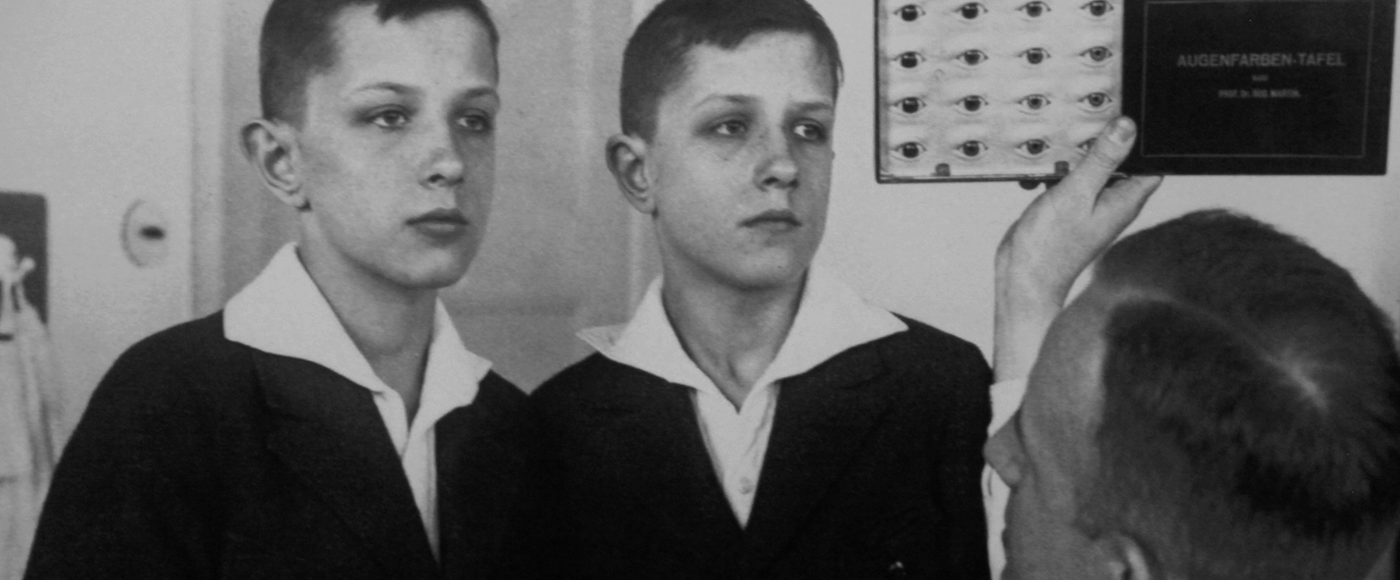
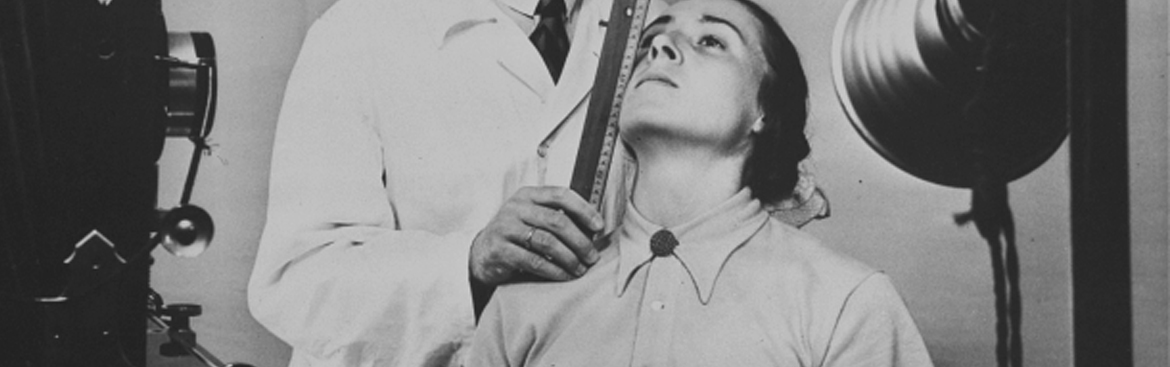
The critical role played by American eugenicists in the development of Germany’s “racial hygiene” policies is rarely discussed. American physicians, philanthropists, politicians, lawyers, and public health officials provided indispensable legislative models, financial aid, and moral support in the 1920s and 1930s for Germany’s political philosophy of “applied biology.”
The Hippocratic Oath, the bedrock of medical ethics, was blatantly violated by the physicians of Nazi Germany when they prioritized the health of the nation over the health of the individual. Simply put, Nazi Germans substituted their government’s eugenic public health policy for the best interests of their patients. The doctor-patient relationship was radically transformed into the Nazi eugenic state-Volkskörper (the nation's body) relationship with disastrous results for those with presumed transmissible genetic disabilities.
Guided by eugenic theories of race, they sterilized 400,000 citizens against their will, euthanized 200,000 disabled German children and adults, and created the gas chambers and crematoria that were used for the mass murder of 4.5 million Jews in the “final solution.”
Support Education that Transforms Practice
History confirms that contemporary medical personnel, like all human beings, can commit horrible medical crimes while believing they are doing good.
By studying the past, we provide knowledge for today that will prevent the repetition of previous errors and develop wisdom in future doctors, nurses, bioscientists, and healthcare policy makers so that they will provide better care for their patients and fellow citizens.
If the best physicians, nurses, and scientists of the early 20th century could sacrifice their patients for utopian goals, can we be certain that we will not do the same?


Medicine After the Holocaust: Educational Resources
- Interview
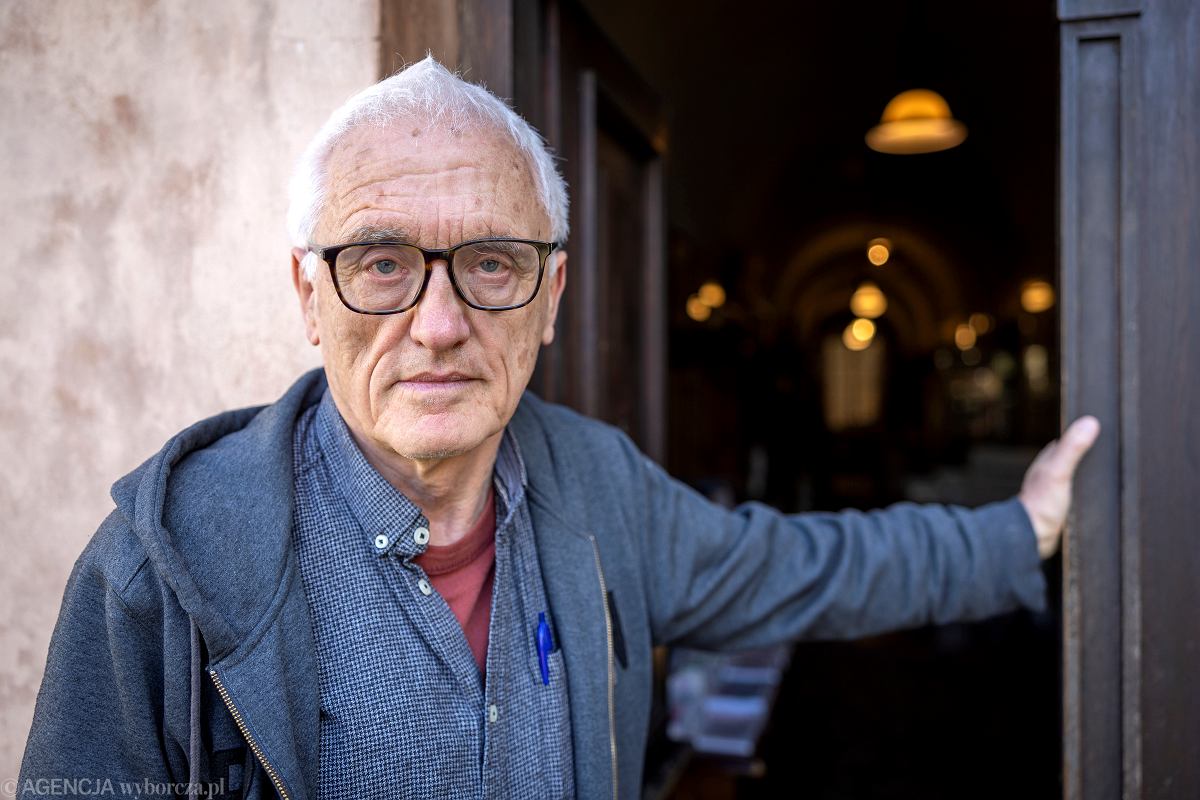
Poland Moves to Strip Jewish Holocaust Scholar of Award
- Film
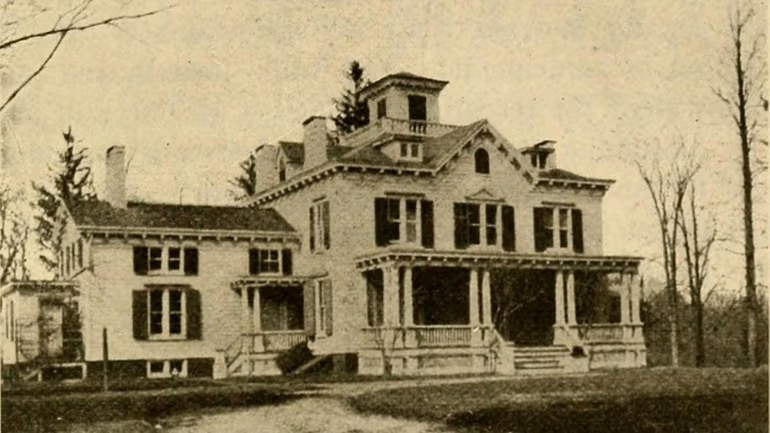
American Eugenics

- Film